

Winter fish handling tips
From Steve Reid, SRCLA Board Member: Not many years ago, ice fishing meant walking out onto the ice and drilling a hole or two with a hand auger, flipping a 5-gallon bucket over and sitting on it, hoping to get a few bites. Technology has changed ice fishing substantially over the last decade or so. The gear we wear is lighter and more insulating, including boots, bibs, gloves and jackets, so we can stay out longer. Ice houses of all kinds have improved too, providing great comfort out on the lake. Ice drills are available in both gas and electric power to make drilling multiple holes easier to follow fish as they move throughout the day. And the electronics we use to locate fish under the ice now show fish in real time and how they are reacting to your bait at that moment. All of this has resulted in fishermen catching more fish than ever before.
As a result, we all need to be sure we handle the fish we are returning to the water carefully to ensure their survival. I recently came across this attached article from Fish Brain on this subject and thought I’d share it with all of you. Nothing really new to experienced ice anglers, but it does serve as a good reminder.
Speaking of reminders, the Richmond Fire Department is hosting its annual fundraiser, Catfish Fest, on February 13th and 14th at Cedar Lake in Richmond. I’ve been privileged to work this festival for a couple of years, and it is a lot of fun. Food, drink and music all out of the ice, and a lot of great people. I hope to see you all there, and remember to handle any fish you return to the water carefully so we all can enjoy this wonderful fishery for years to come.
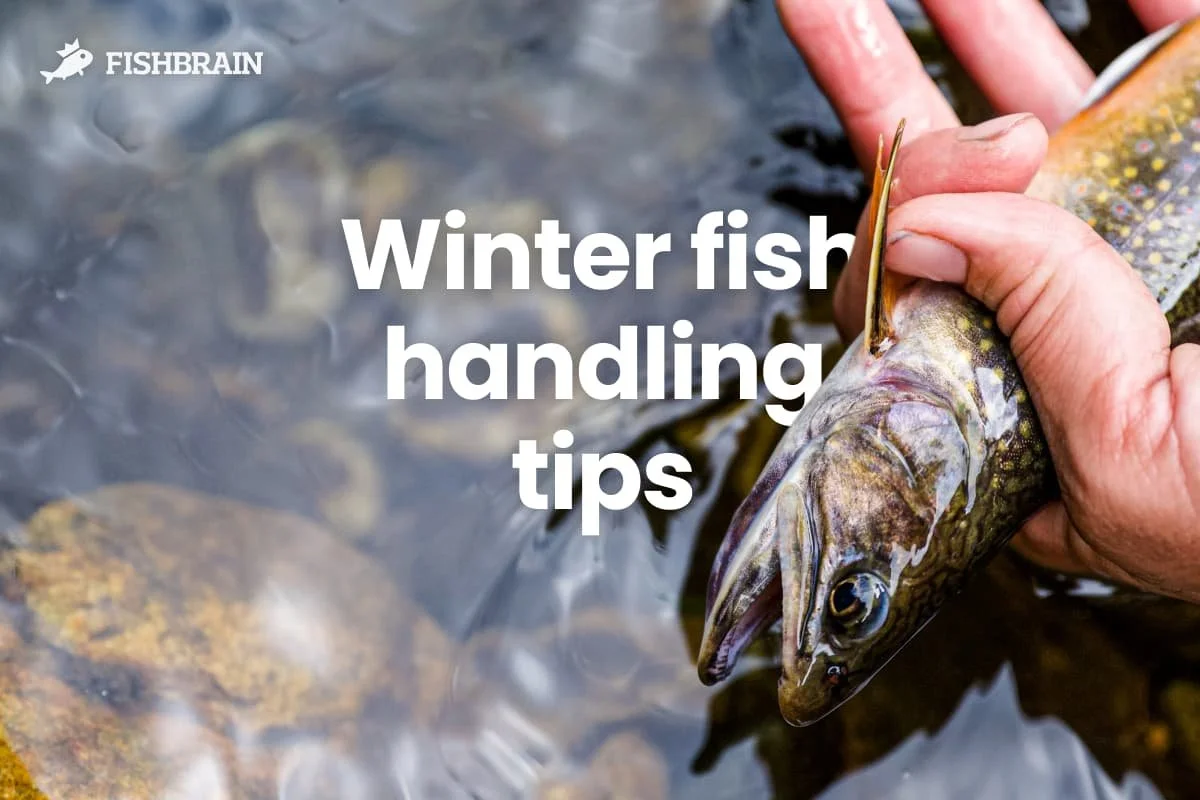
So much attention is, rightfully, focused on safe fish handling in summer, as high water and air temperatures put a strain on a fish’s survivability after the catch. In the cold of winter, however, responsible anglers need to take just as much care when releasing a fish.
We checked in with our local fish experts to learn how to practice proper conservation this winter and explore the specific issues that arise with fish handling in cold weather. Check our guide below.
1. Keep air exposure to an absolute minimum
Fish aren’t adapted to sub-freezing air temperatures, and exposure can greatly increase stress and mortality. As uncomfortable as it may be, keep your catch in the water as much as possible when planning to release it.
2. Keep fish off the ice
This goes hand in hand with keeping fish in the water, but if you remove a fish, keep it in your hands. Snow and ice can cause cold shock and damage the slime coat, which can be fatal. Even if a fish swims away strong, its chances of survival are lower if placed on snow.
3. No gloves
Gloves are essential for winter fishing, but remove them when handling your catch. Most gloves strip a fish’s slime coat, which is especially important in winter when fish produce extra slime to protect against cold stress, infection, and parasites.
Sun, rain, or snow, we always want to conserve the fish we’ve devoted our lives to. We hope you put a strong conservation effort into your fish handling when you brave the elements this winter. Remember, there’s no such thing as bad fishing weather, just soft anglers.